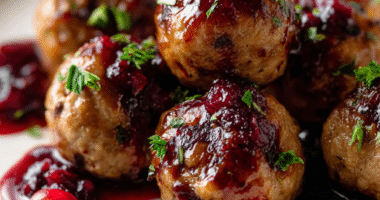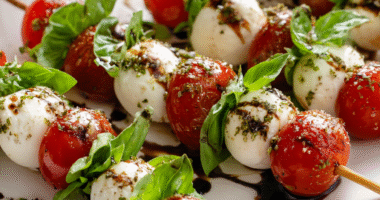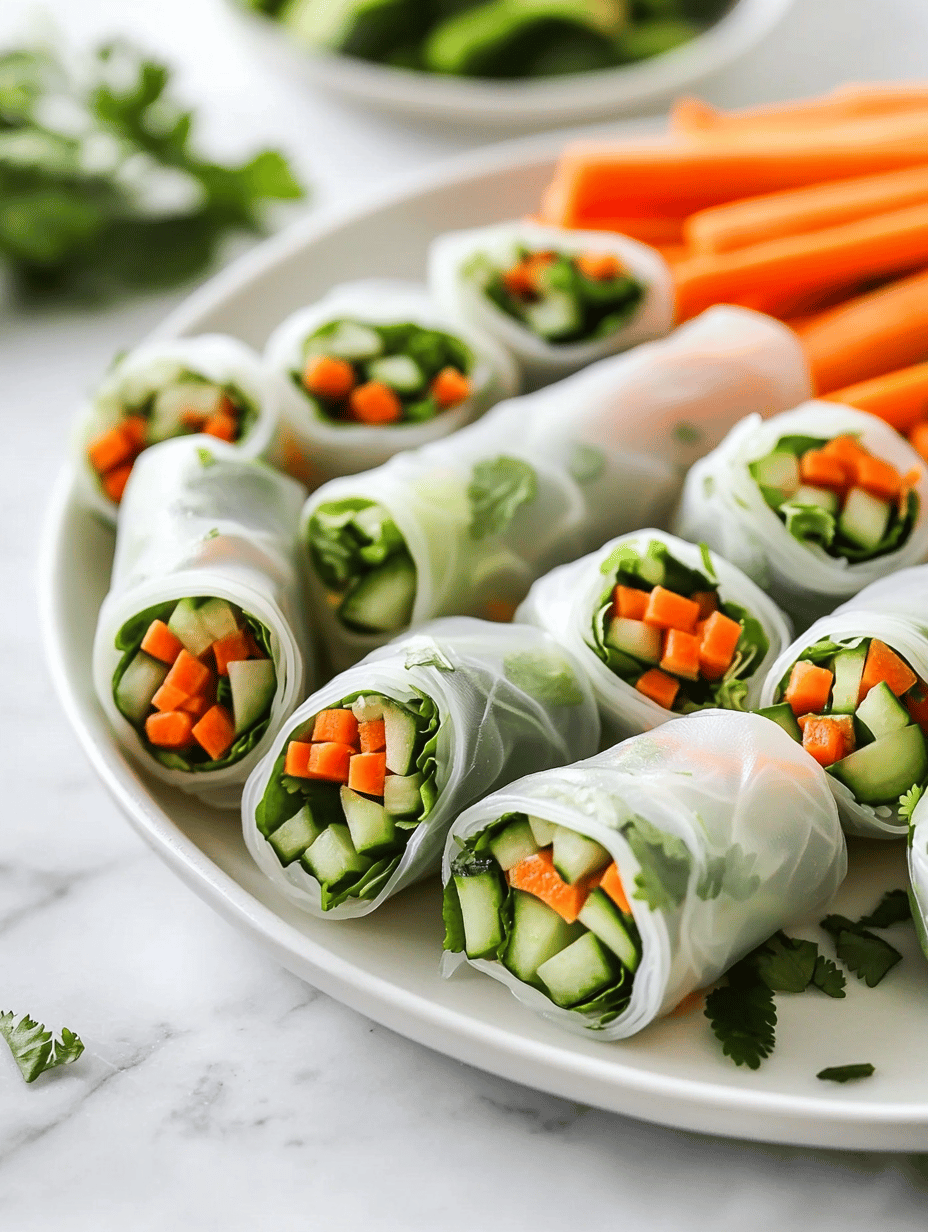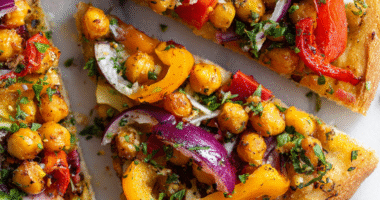
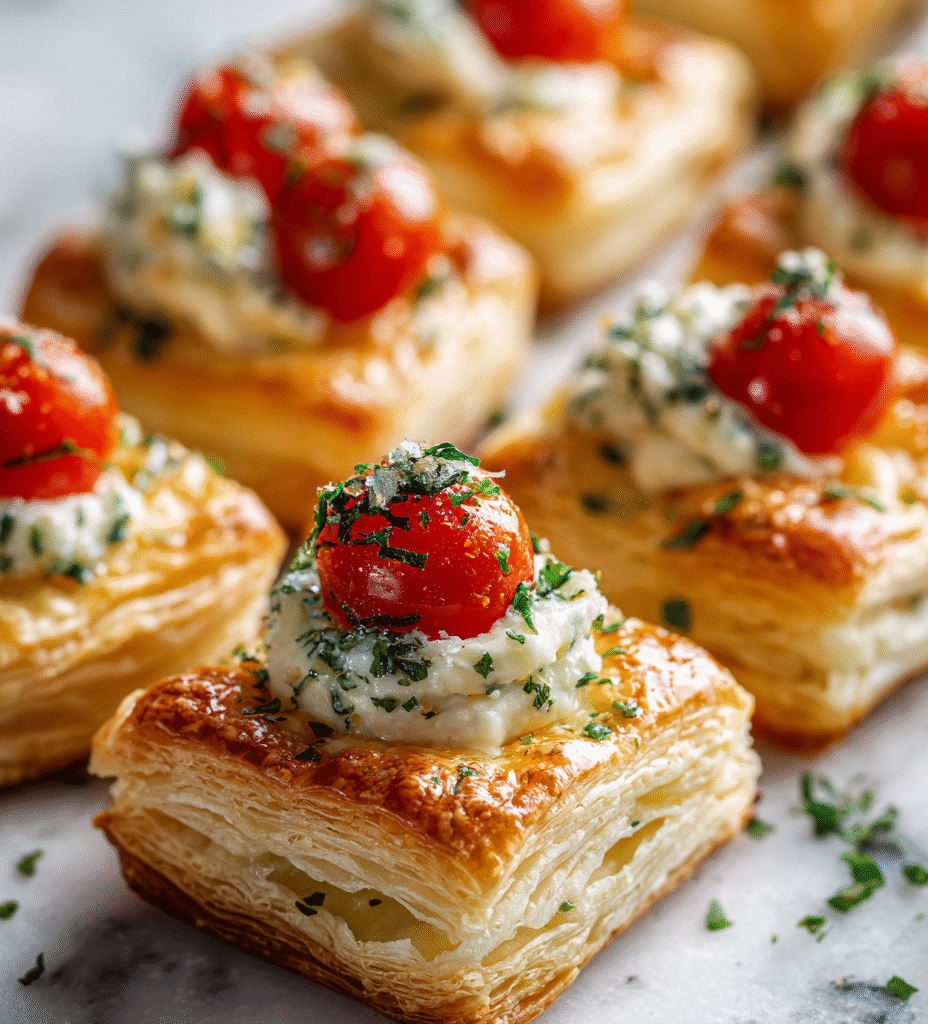
Puff pastry appetizers are my go-to for spontaneous gatherings. They’re forgiving, quick, and always impress. But what really excites me is how you can tweak the fillings to match whatever mood or season you’re in—sweet, savory, spicy, or smoky.
Why These Appetizers Keep Calling My Name
They’re forgiving and endlessly adaptable, perfect for any season or mood. Plus, they come together fast enough on a busy weeknight. Every time I make them, I find a new favorite filling or twist, which keeps it fresh and exciting.
Breaking Down the Ingredients
- Puff pastry: Buttery, flaky, and forgiving—perfect for quick assembly.
- Cheese: Sharp cheddar or tangy goat cheese add richness and depth.
- Caramelized onions: Sweet, smoky, and jammy—bring a touch of nostalgia.
- Smoked salmon: Oozy, salty, and elegant, it elevates simple bites.
- Herbs & spices: Fresh thyme, cracked pepper, or a pinch of smoked paprika for punch.
- Egg wash: Gives that shiny, professional-looking crust.
- Filling options: Think beyond traditional—spicy sausage, roasted peppers, or even fruit preserves.
Tools of the Trade for Puff Pastry Perfection
- Baking sheet: To hold the pastries while baking evenly.
- Parchment paper: Prevents sticking and makes cleanup easier.
- Knife or pastry cutter: To cut the pastry into neat shapes.
- Brush: To apply egg wash for a glossy finish.
- Cooling rack: To cool pastries and maintain crispness.
Step-by-Step to Puff Pastry Perfection
Step 1: Preheat your oven to 200°C (390°F).
Step 2: Line a baking sheet with parchment paper.
Step 3: Roll out the puff pastry slightly to even the surface.
Step 4: Cut into squares or circles, about 8 cm (3 inches) across.
Step 5: Prepare your fillings – think beyond cheese, like caramelized onions or smoky salmon.
Step 6: Spoon a small amount of filling onto each piece, avoiding edges.
Step 7: Fold or top as desired, then press edges to seal.
Step 8: Brush with beaten egg for a shiny finish.
Step 9: Bake for 15-20 minutes, until golden and puffed.
Step 10: Let cool slightly before serving, so they set.
Step 11: Serve warm or at room temperature, ideally with a tangy dip.
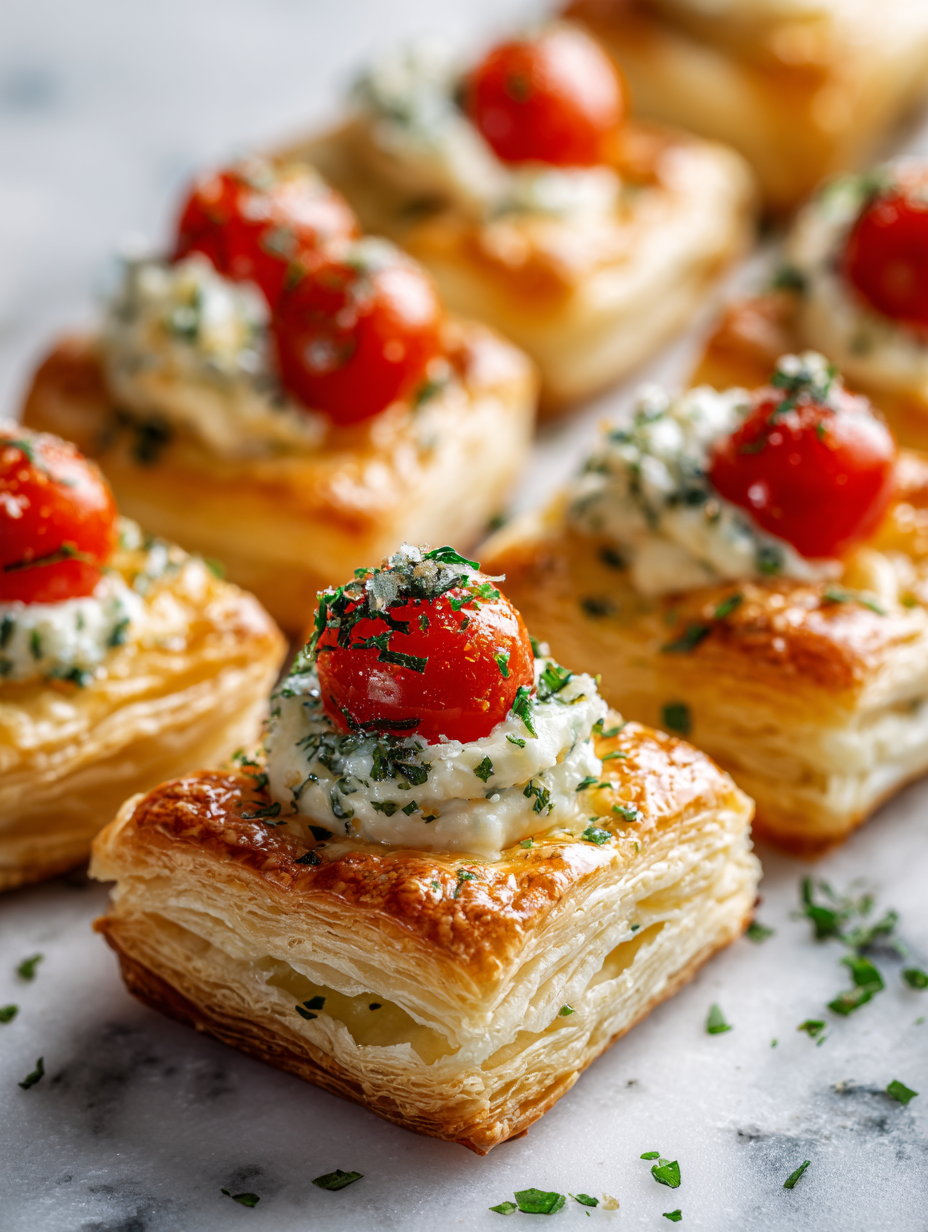
Savory Puff Pastry Bites
Ingredients
Equipment
Method
- Preheat your oven to 200°C (390°F). Line a baking sheet with parchment paper to prepare for baking.
- Unroll the puff pastry sheet on a lightly floured surface and gently roll it out to even the thickness, about 1/8 inch. This relaxes the dough and makes cutting easier.
- Use a knife or pastry cutter to cut the dough into 8 equal squares or circles, roughly 8 cm (3 inches) across. Keep the scraps for extra bites or decorative shapes.
- Place the cut pastry pieces onto the prepared baking sheet, spacing them evenly to give room for puffing.
- Spoon a small dollop of caramelized onions onto the center of each piece, followed by a sprinkle of shredded cheese and a few pieces of smoked salmon. Add a pinch of chopped thyme for an herby aroma.
- Fold the pastry over the fillings to form a triangle or fold into a pocket, then press the edges together firmly to seal. You can also leave them open for a rustic look.
- Using a pastry brush, gently apply the beaten egg over the top of each pastry for a glossy, golden finish once baked.
- Bake in the preheated oven for 15-20 minutes, or until the pastries are puffed, golden, and crispy. You’ll hear a gentle crackle as they bake and see a beautiful browning on top.
- Remove the baked pastries from the oven and transfer them to a cooling rack. Let them sit for a few minutes until they are just cool enough to handle but still warm and crispy.
- Serve these flaky bites warm or at room temperature, ideally with a tangy dipping sauce or a squeeze of lemon to enhance the smoky flavor.
Notes
Cooking Smarts for Puff Pastry Success
- Look for puff pastry that’s cold and firm before baking.
- Check the edges are sealed tight to prevent filling leakage.
- Golden brown tops signal they’re baked through and crispy.
- Puff up fully for a light, airy texture — no soggy bottoms.
Common Pitfalls and How to Dodge Them
- Pastry turns soggy or deflates.? Use cold pastry, don’t let it warm up before baking.
- Filling leaks out during baking.? Seal edges properly, press firmly with a fork or fingers.
- Pastries stay pale and soft.? Bake at high heat until golden.
- Soggy, undercooked centers.? Don’t overload with filling.
These little bites are more than just finger food; they’re an excuse to get creative with what’s in the fridge. Puff pastry’s forgiving nature lets you experiment without much fuss. Keep these in mind for unexpected guests or a quick snack that feels special. Nothing beats that flaky, buttery crunch combined with a surprising filling that makes everyone pause.
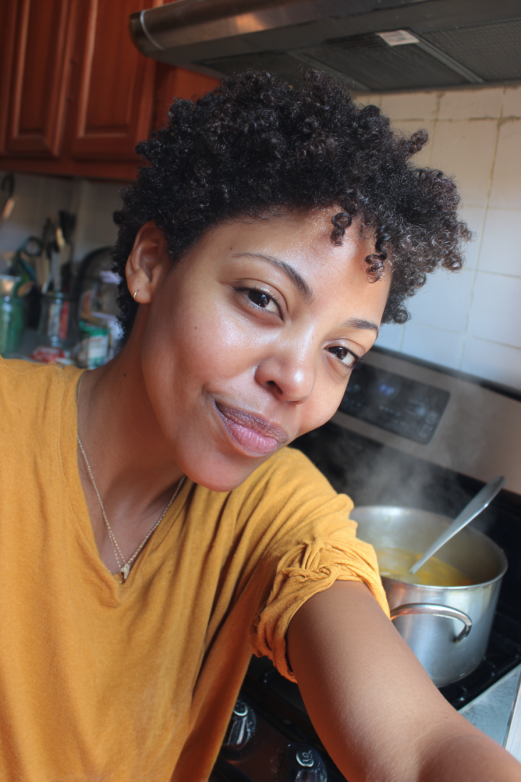
Hi, I’m Ruby Thorn, the home cook behind The Tender Mess. Join me on the journey of Embracing the mess, fearlessly create —because in the kitchen, the mess sometimes leads to magic.